

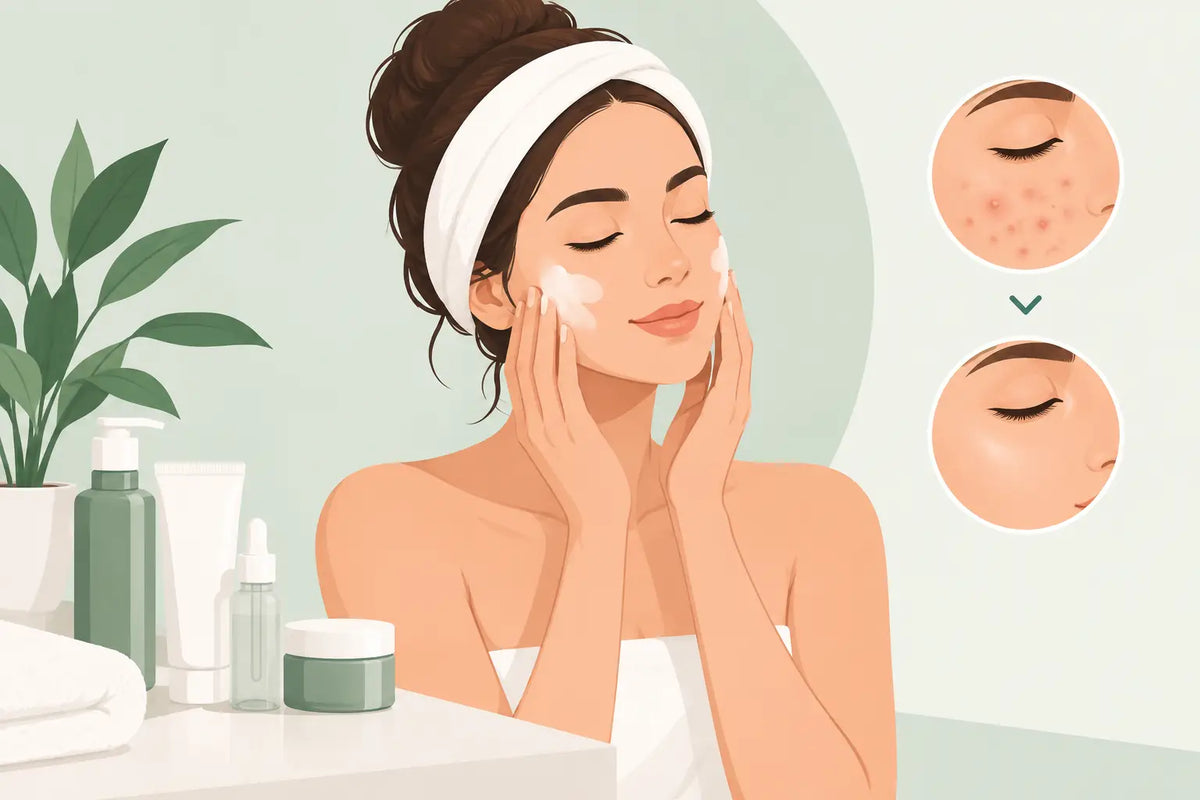
The morning after a breakout, the temptation is real: inspect every spot, add three new treatments, and try to speed-run your way back to clear skin. But a good skin recovery routine after breakout starts by doing a little less. Your skin is already working hard. Think calm, cushioned, and consistent - the kind of reset that gets you back to your glow without creating a second round of irritation.
Treat Your Skin Like It Just Had a Long Night
A breakout can leave behind more than a blemish. Skin may feel tender, dry, uneven, or suddenly extra reactive, especially if you picked at it or layered multiple active products. Even a small spot can disrupt the skin barrier, which is the outer layer that helps keep moisture in and potential irritants out.
Your first recovery goal is not to make every trace disappear overnight. It is to reduce visible stress while giving your skin the comfortable conditions it needs to repair itself. That means gentle cleansing, simple hydration, and daily sun protection. It may not feel as dramatic as a new exfoliating serum, but it is often the move that makes the biggest difference by the end of the week.
If your breakout is swollen or painful, resist the urge to scrub, squeeze, or repeatedly touch it. Pressure can push inflammation deeper and increase the chance of lingering discoloration. A clean pimple patch can be a chic little boundary: it helps protect the spot from your hands and gives you permission to leave it alone.
Your Skin Recovery Routine After a Breakout
The best post-breakout routine is beautifully uncomplicated. For a few days, keep the focus on comfort and consistency rather than chasing an instant fix.
Start With a Gentle, No-Fuss Cleanse
Use lukewarm water and a mild cleanser that leaves your face feeling soft, not tight. That squeaky-clean feeling is not a sign that your skin is extra clean. It can mean you have stripped away the oils and moisture your barrier needs to settle down.
At night, remove makeup and sunscreen thoroughly, but do not turn cleansing into a marathon. A soft makeup-removing cloth can make the process feel easier on sensitive, post-breakout skin. Follow with your cleanser if needed, especially after a full day of makeup or SPF, then pat dry with a clean towel. No rubbing required.
Add Hydration Before More Treatment
When skin is healing, hydration is less about a glossy finish and more about helping skin feel balanced again. Reach for a simple hydrating serum, essence, or moisturizer with ingredients known for supporting the barrier, such as glycerin, hyaluronic acid, ceramides, squalane, or panthenol.
If your skin is oily, you still need moisture. Skipping moisturizer can leave skin dehydrated, which sometimes makes it feel even more slick or uncomfortable later. Choose a lightweight gel-cream if rich textures are not your thing, or use a slightly richer cream on dry areas around the breakout.
A bio-collagen-style mask can be a lovely reset when your skin feels depleted, provided it is gentle and does not sting. Save the complicated mask cocktails for another day. This is your quiet, one-step ritual: dim the lights, put your phone down for 15 minutes, and let your skin have a moment.
Use Spot Treatments With a Light Hand
If the blemish is still active, a targeted acne treatment may help, but more is not always better. Use only the amount directed, and avoid coating the entire face with a drying spot treatment unless it is designed for full-face use.
Benzoyl peroxide can be useful for inflamed acne, while salicylic acid can help with clogged pores. Both can be drying, particularly when your skin is already irritated. If you are feeling flaky, burning, or unusually sensitive, take a short break from these actives and prioritize moisture instead. You can return to treatment once skin feels calm.
Hydrocolloid pimple patches are especially helpful for whiteheads or spots you might otherwise pick. They are not a cure for deep, cystic breakouts, but they can protect the area and make it easier to go about your day without overthinking it.
Make SPF the Non-Negotiable
A recovering breakout is more vulnerable to post-inflammatory hyperpigmentation, the pink, red, brown, or purple marks that can linger after the blemish itself is gone. Sun exposure can make those marks look deeper and last longer.
Wear broad-spectrum SPF 30 or higher every morning, even when you are mostly indoors. SPF 50 is a great everyday choice if you want extra coverage for commutes, errands, patio lunches, and every golden-hour plan in between. Apply enough for your face and neck, then reapply when you are outdoors for extended periods.
Sunscreen will not erase a mark in one day, but it helps protect the progress your skin is making. It is one of those quietly glamorous habits that pays off over time.
What to Pause While Skin Is Recovering
A breakout does not always mean you need to abandon every active in your routine. It depends on how your skin looks and feels. If you have one small blemish and no dryness or stinging, your usual routine may be fine. But if your face feels tender, raw, flaky, or tight, press pause on anything that adds friction or intensity.
For a few days, consider stepping back from scrubs, peel pads, strong exfoliating acids, retinoids, and at-home extractions. Avoid stacking several acne-focused products in the same routine. A salicylic acid cleanser, a benzoyl peroxide spot treatment, and a retinoid can all have a place, but using all three at once on stressed skin can turn a manageable breakout into a longer recovery.
The same goes for new products. Post-breakout skin is not the time to test a trendy serum just because it promised overnight clarity. Keep the routine familiar so you can tell what is helping and what is not.
Bring Back Your Glow Slowly
Once the active blemish has flattened and your skin feels comfortable again, reintroduce treatments one at a time. If you use retinoids or exfoliating acids, start with fewer nights per week rather than jumping straight back to your previous schedule. Your skin does not need a grand comeback. It needs a steady one.
For lingering marks, patience and protection matter more than aggressive exfoliation. Gentle brightening ingredients, such as niacinamide or azelaic acid, can be worth considering if your skin tolerates them. Introduce only one new active at a time and give it at least a couple of weeks before deciding whether it belongs in your routine.
LED light therapy may also fit into a calm maintenance ritual for some people. It can be a nice addition for those managing recurring blemishes or visible redness, but it is not a replacement for a gentle core routine. Follow the device instructions, use it on clean, dry skin, and skip it if your skin feels irritated or if your provider has advised against light-based treatments.
The Habits That Keep One Breakout From Becoming a Spiral
Your skincare is not the only thing touching your face. Pillowcases, makeup brushes, phone screens, hair products, and even your favorite baseball cap can contribute to congestion or irritation. You do not need to sanitize your entire life, but a few low-effort resets can help.
Wash makeup brushes regularly, swap pillowcases often, and keep hair oils away from the sides of your face when possible. Cleanse after a sweaty workout rather than letting sweat and makeup sit for hours. If you are wearing makeup over a healing blemish, keep coverage light and remove it gently at the end of the night.
Most of all, stop treating a breakout like a personal failure. Hormones, stress, travel, cycle changes, weather, and product shifts can all show up on your skin. One spot does not cancel your glow, your plans, or your right to feel put together.
If breakouts are frequent, painful, deeply cystic, scarring, or not improving after a consistent routine, a dermatologist can help you find a treatment plan that goes beyond the beauty counter. For everyone else, let recovery be your cue to slow the routine down: cleanse softly, moisturize generously, wear your SPF, and give your skin the same grace you would give a friend after a long night.


