

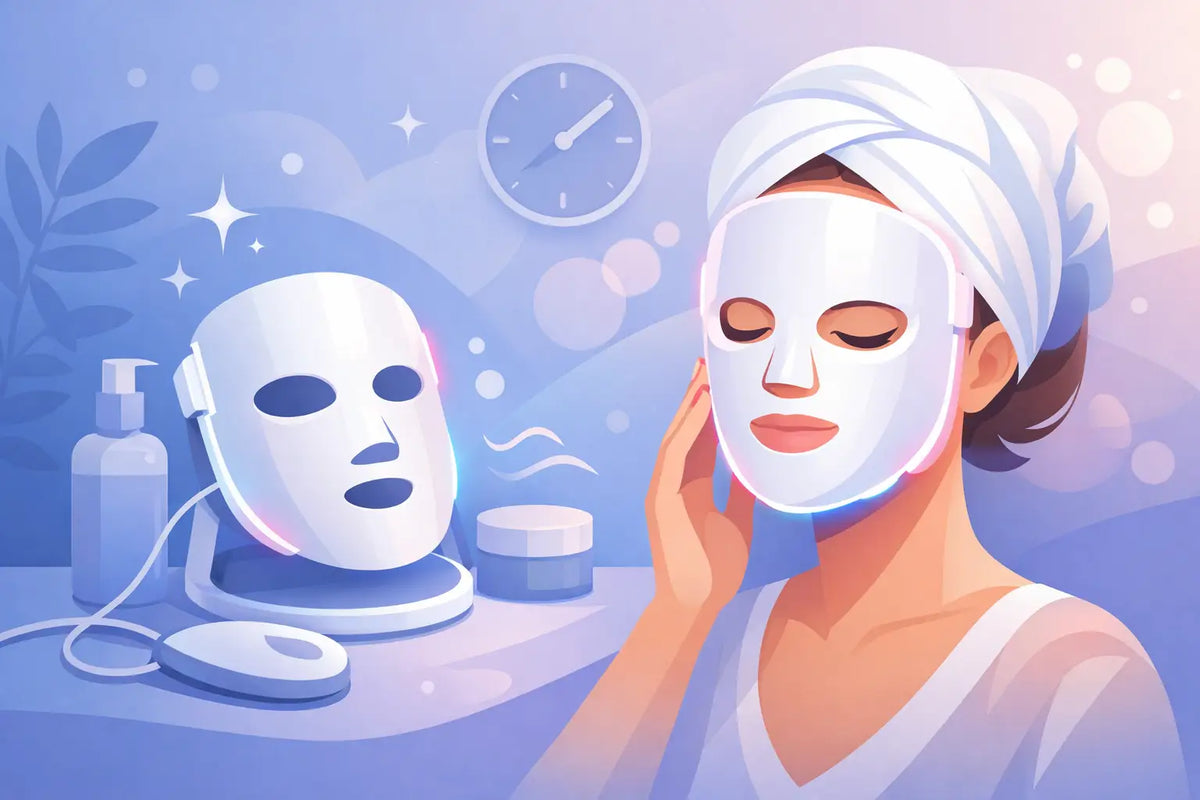
Some skincare steps feel like homework. This one should feel like a pause. If you’ve been wondering how to use led face mask the right way, the good news is that it’s less complicated than it looks - and a lot more enjoyable when you make it part of your evening reset.
An LED face mask is one of those beauty tools that works best when you stop overthinking it. You do not need a 12-step routine, a perfectly curated vanity, or an hour to spare. What you do need is clean skin, a little consistency, and realistic expectations. Think of it as a glow ritual, not a one-night fix.
How to use LED face mask step by step
Start with a freshly cleansed face. This matters more than people think. Skin should be free of makeup, sunscreen, and heavy skincare so the light can reach the skin properly without sitting on top of a layer of product.
After cleansing, pat your skin dry. Most LED masks are designed to be used on clean, dry skin before serums, moisturizers, or oils. If your specific device says otherwise, follow the device instructions, but in most cases bare skin is the move.
Next, place the mask securely on your face and select the recommended light setting. Different light colors are usually meant for different concerns. Red light is commonly used for the look of fine lines, firmness, and overall radiance. Blue light is often chosen for breakout-prone skin. Some masks offer a mix of settings, which can be helpful if your skin mood changes throughout the month.
Once the mask is on, let it do its thing for the amount of time listed by the brand, which is often around 10 to 20 minutes. More is not always better. Leaving it on longer than directed will not necessarily speed up results, and skincare tools tend to reward consistency more than intensity.
When your session is done, take off the mask and move into the rest of your routine. This is a great time for hydrating, barrier-friendly products. A simple serum and moisturizer pair beautifully after LED, especially if your skin tends to feel dry or stressed.
What to put on your skin before and after
This is where people get tripped up. The instinct is to layer on all the good stuff first, but LED usually works best on a clean canvas. Thick creams, facial oils, and makeup are best saved for after your treatment.
Before your session, keep it minimal. Cleanser is enough. If your device specifically allows a light, water-based serum, that can be fine, but you do not want anything occlusive that creates a barrier between the mask and your skin.
After your session, reach for products that support calm, hydrated skin. Hyaluronic acid, gentle peptides, and a nourishing moisturizer are all strong options. If your skin is breakout-prone, a lightweight formula is usually more comfortable than something rich and heavy.
Be a little careful with strong actives right after treatment if your skin is sensitive. Retinoids, exfoliating acids, and highly concentrated treatments are not automatically off-limits, but it depends on your skin’s tolerance. If you’re new to LED or your skin runs reactive, alternate your stronger actives and your mask sessions until you know how your skin responds.
How often should you use an LED face mask?
The short answer is regularly, but not obsessively. Most at-home LED masks are designed to be used several times a week, especially at the beginning. Some are gentle enough for daily use. The best schedule is the one your device recommends and that you can actually stick to.
This is one of those skincare categories where consistency wins. Using your mask three to five times a week for a few weeks will usually do more for your skin than one extra-long session followed by forgetting about it for ten days.
If you are using red light for glow and overall skin support, you may notice your skin looking fresher and more rested before you see any bigger changes. If you are using blue light for blemishes, results can also take time. LED is steady, not dramatic. That is part of its charm.
Choosing the right light for your skin goals
If your mask offers multiple colors, it helps to know what each one is generally used for. Red light is the favorite for skin that looks tired, dull, or a little less bouncy than you’d like. It is often chosen for the appearance of smoother, firmer, more radiant skin.
Blue light is the go-to when breakouts are the main issue. If your skin tends to get congested around your chin, jawline, or T-zone, this setting may make the most sense.
Some devices include additional settings like amber or near-infrared. These can be marketed for soothing or deeper skin support. The exact benefits depend on the device and wavelength, so it is worth checking the product guidance instead of assuming every color does the same thing across every mask.
If you are torn between settings, pick one primary concern and stay with it for a few weeks. Jumping around too much makes it harder to tell what is actually helping.
Mistakes that can make LED less effective
The biggest mistake is being inconsistent. The second biggest is expecting spa-level change overnight. At-home LED can absolutely earn a spot in your routine, but it works quietly. The payoff usually comes from repetition.
Another common mistake is using the mask over dirty skin or after applying thick skincare. That can interfere with the treatment and turn a good habit into a less useful one.
Fit matters, too. If the mask is sliding around or not sitting properly on your face, the experience becomes annoying fast. You want it to feel easy enough that you’ll actually keep using it. Skincare tools should add to the ritual, not become a tiny source of stress.
And then there is timing. Using your LED mask right before bed tends to feel the most natural for a lot of people, especially if your mornings are rushed. But if evenings are chaotic, a morning session while you answer emails or drink coffee can work just as well. The best time is the one that fits your real life.
Is LED face mask use safe for everyone?
For many people, at-home LED masks are a gentle option, but not every device is right for every person. If you have a medical condition, a history of light sensitivity, or you take medications that increase sensitivity to light, it is smart to check with your doctor first.
You also want to follow the eye protection guidance that comes with your device. Some masks are designed to shield the eyes, while others may include goggles or specific instructions. Comfort is part of safety here. If something feels too bright, irritating, or off, stop and double-check the directions.
If your skin is currently irritated from a peel, a sunburn, or an overly ambitious exfoliation moment, give it a minute before adding LED. Calm skin tends to respond better than skin that is already stressed.
How to make it part of your routine without getting lazy about it
The easiest way to stay consistent is to attach LED to something you already do. Use it after cleansing at night. Use it while winding down with a show. Use it during that in-between moment when the day is done and you want to feel a little more put together before bed.
This is where the ritual side really matters. Beauty habits stick when they feel good. A well-designed LED mask can turn a basic skincare night into something a little more elevated, which is exactly why so many people keep coming back to it. It gives you visible effort without demanding much from you.
If you want the best results, take a few progress photos in the same lighting every couple of weeks. Day-to-day changes can be subtle, and photos help you notice the glow, clarity, or smoothness you might otherwise miss.
For a brand like Happy Hour Beauty, that balance between treatment and enjoyment is the whole point. Skincare works better when you actually want to do it.
How long does it take to see results?
It depends on your skin, your concerns, and how often you use the mask. Some people notice a fresher look within a couple of weeks, especially with red light and overall radiance. Other changes, like the look of clearer or smoother skin, can take longer.
What matters most is staying realistic. LED is not a replacement for sunscreen, cleanser, moisturizer, or the basics. It is a supporting step - a beautiful extra that can help your routine feel more effective and more intentional.
If your goal is glow, think in terms of a month, not a night. If your goal is fewer visible breakouts, give it enough time to become a habit. The quiet beauty wins are usually the ones that last.
The best LED routine is the one you will keep. Clean skin, the right setting, the right timing, and a little patience can turn a high-tech tool into your favorite low-effort ritual.


